Category: Uncategorised

  • Learning by Doing: Mastery Through Action

    There comes a time when planning, theorising , and gathering information can no longer substitute for action. My mentor used to say, “It’s time to take a shit or get off the potty.” Crude? Maybe. But the lesson behind it is one of the most valuable truths about success at some point, you have to stop thinking about doing the thing and just do the thing.

    We live in an age of endless tutorials, courses, and knowledge at our fingertips. You can spend years reading about a craft, analysing every nuance, and consuming the wisdom of experts. But mastery doesn’t come from theory it comes from experience. It comes from doing.

    Every skill worth having is acquired through repetition. Watch a blacksmith hammer away at molten steel, a musician run scales for hours, or a boxer drill the same punch a thousand times. The process isn’t glamorous. It’s not always fun. It’s about showing up, putting in the work, and repeating the process until it becomes second nature.

    Skill is not talent it is earned. And the path to mastery is not paved with shortcuts but with discipline.

    Want to be a writer? Write every day.

    Want to be a speaker? Speak every day.

    Want to be an artist? Pick up the brush.

    Want to be an entrepreneur? Start the business, make the mistakes.

    Knowledge is only potential power. Action is what turns it into something real.Many people Hesitate because of the Fear of Imperfection.

    Most people don’t struggle because they lack intelligence or resources. They struggle because they are paralysed by the fear of getting it wrong. They wait until they feel “ready,” until they have all the answers, until the conditions are perfect.

    But here’s the truth you will never feel ready. There’s never a right time to have a baby you’ll never have enough savings , but the baby’s come and people manage .

    The conditions will never be perfect.

    And mastery is built in the doing, not in the waiting.

    Starting messy is better than not starting at all. The first draft of anything is terrible. The first attempt is awkward. The first few steps feel uncertain. But every master was once a beginner who dared to look foolish before they became great.

    Fail Fast, Learn Faster.Failure is not the opposite of success; it is the process of success. Every misstep, every mistake, every awkward first attempt is a necessary step toward mastery. The best in any field don’t avoid failure they embrace it.

    You can’t learn to ride a bike by reading about it. You have to get on, fall off, and get back up. You can’t learn to swim by watching videos. You have to get in the water.

    The same applies to anything in life.

    Time to Take the Leap.So, here’s the question: Are you going to sit on the sidelines, gathering knowledge, waiting for the perfect moment? Or are you going to take action, stumble, adapt, and become the most skilled version of yourself through sheer practice?

    Because at some point, you have to take the leap.

  • Hyrox the Struggles,and Breakthroughs.

    Written by

    Rossko72

    It all started with excitement. ( like most things do)

    A Solo Hyrox it had been on my radar for a while,after completing my first one in March 2024 with my now partner Vicky,I wondered if I could push myself to do it solo. When I decided to commit to it, I knew I needed structure, guidance,accountability, and 100% I needed a programme to follow. I needed to be trained, and was recommended Kimberly and her Hyrox training program, after our initial consultation I signed up,and was committed .

    At first, it felt like the honeymoon phase everything was new, and I was all in. I followed the plan with enthusiasm, pushed myself in workouts, and felt the buzz of progress. The structure gave me confidence, and began believing it could be possible .I followed her programme to the point . I filled in her meal plans, i filled in her questionnaire forms . I dotted my aye’s and crosses my Tttt’s .( for the first 5 weeks )

    Then I hit the wall…

    Somewhere in the middle week 5 and 6 , things shifted. Training got harder, motivation wavered, and old patterns started creeping in. Doubt. Resistance. Frustration. Suddenly, the structured plan felt like a burden instead of a guide. My body ached, my mind argued with me, and excuses became tempting. I was less habitual with my recording of my meals , recording my workouts , I was like F*** this,and then came the tantrum quite literally laid on the floor kicking and screaming.

    I threw my toys out of the pram mentally, emotionally, maybe even physically. I questioned everything. Why am I doing this? What’s the point? I’ll never be ready.” The self-sabotage kicked in, as it always does when something challenges us to grow.

    That’s where Kimberly’s coaching changed everything.

    Instead of letting me spiral, she held space for the struggle while pushing me to keep going. She wasn’t just training my physical wellbeing she held me ( metaphorically ) as I kicked and screamed . She sent me a wee voice note one Sunday morning after a rant and she just gently whispered , “Mondays a new week lets just concentrate on getting back in the race”. Her tone changed and she became authoritative and said we are onto the last few weeks `i want a big push from you now, and “we” are going to do what it takes to get you there .

    The last two weeks became a deep dive into the psychological barriers that were holding me back. The discomfort wasn’t just physical it was emotional.

    She guided me through, reminding me that the real challenge wasn’t just crossing the Hyrox finish line it was proving to myself that I could break through my own limits.

    In those final weeks, something shifted.

    I pushed. I showed up. I let go of the excuses. I trusted the process. I doubled up on my classes and Kimberly stood beside me .One of the last classes I was pounding away on threadmill feeling quite smugg projecting an image of a hybrid version of myself somewhere between Cristiano Ronaldo and Le Bron James ‘s love child in the mirror in front of me , appears Kim like a Meerkat on the treadmill next to me , and in that soft little voice says , “youve got a nice wee pace going for yourself ” , and proceeded to turn up the speed dial until it felt like my legs were going like road runner, and off she toddled .

    The training has became more than just a test of physical endurance it became a lesson in resilience, self-awareness, and overcoming the resistance that lives in all of us.

    Kimberly didn’t just help me train. She helped me grow.

    When I asked for what I needed , she came through . When she was late with things she apologised . Totally professional P/T sets high standards . If your looking to get race ready bounce into her programme , she’s one of the good guys .

    And as I stood at the start line, ready to take on Hyrox, with Kim there at the side line cheering me on .

    I realised… the hardest battle was never the race itself. It was the one inside me.

    For this journey I definitely needed the feminine to walk with me , and guide me .This woman , has the strength equal to any man I’ve met .

    Get signed up and go on the journey with her , and

    “Trust the process”

  • Dopamine and Pain- The rise of Hyrox, Ultra-marathons,24 hour challenges, ice baths.

    Written by

    Rossko72

    In our modern world, dopamine is king. It rules over our desires, fuels our ambitions, and tricks us into thinking that the next hit, the next achievement, the next challenge will finally bring us peace. But here’s the catch dopamine doesn’t deal in peace. It deals in pursuit. It is the whisper in your mind that tells you, “More. More. More.”

    And in this endless chase, we find ourselves turning to extreme experiences Hyrox races, ultramarathons, gruelling endurance challenges not just for fitness, its something deeper. Its primal.

    Why Pain Feels So Good, the dopamine trap the promise of false reward. Dopamine ,like so many neurotransmitters ,is often misunderstood. People think it’s the chemical of pleasure, but it’s the neurotransmitter of wanting, not having.

    It doesn’t reward you for achieving something; it rewards you for pursuing it.

    The moment you sign up for an ultramarathon, dopamine spikes.

    The moment you start training; dopamine keeps you going.

    But the moment you finish? The crash hits, and the seeking starts, all over again.

    That’s because dopamine is all about the next thing. Once you’ve crossed the finish line, it’s already searching for the next challenge. It’s why so many endurance athletes don’t stop after one event they move on to longer races, harder challenges, more extreme feats. It’s not just about fitness. It’s about chasing that biochemical dragon. So the next post you see me or anyone else posting about the next challenge , look behind the curtain and see the wizard of oz, the small man perched on his dopamine spike , lol.

    Hyrox, Ultramarathons,and 24 hour challenges . the New Dopamine Addiction.

    Hyrox, the global fitness race, has exploded in popularity. So have ultramarathons, 24-hour challenges, and brutal endurance events. Why?

    Because they hurt. And in a world numbed by comfort, people are starving for real, raw sensation.

    In a disconnected society, where everything is optimized for ease food delivered at the click of a button, entertainment on demand, social validation at our fingertips these extreme events offer something rare authentic struggle. They rip us away from screens, from distractions, from the noise of modern life, and force us into a place where we feel again.

    Hyrox is pain packaged as competition functional fitness meets endurance, a brutal test of physical and mental limits.

    Ultramarathons are suffering stretched over time, where runners confront their deepest thoughts in the dead of night, long after their bodies have begged them to stop.

    Endurance sports strip away the dopamine quick fixes of modern life and replace them with a slower, deeper high the kind that must be earned through miles, sweat, and suffering.

    But the problem? Even this can become another addiction.

    The Dark Side When Achievement Becomes Another Escape

    For many, these extreme challenges start as a way to push limits, to test oneself. But over time, they can morph into just another way to avoid sitting with discomfort the discomfort of stillness, of unhealed trauma.

    The person who once drank, and took a bump to escape, now runs 100 miles instead.

    The person who once numbed with social media now drowns in training schedules and are still chasing validation through likes and follows, form strangers .

    It’s all the same game, just in a different form. The high of achievement is still a high. The pain of endurance becomes a drug. The suffering becomes a badge of honour. And when the race is over, the question remains what now ? what next , what dead relative can i prostitute out , in loving memory of . What charitable event can i ride on the back of .

    Beyond the Dopamine Chase. Pain isn’t the enemy. Pushing limits isn’t bad. But when the chase becomes an endless cycle when the finish line never really feels like an ending it’s time to ask yourself .

    Are you truly growing, or are you just running from something?

    Are you using these challenges to find yourself, or to lose yourself?

    Can you be still and feel at peace, or do you only feel alive in motion?

    Dopamine will always keep you reaching, always keep you wanting. But true fulfilment doesn’t come from the next race, the next challenge, the next peak. It comes from knowing that you are enough, even when the race is over.

    So, train hard. Push limits. Test yourself. But don’t mistake suffering for salvation. The real challenge isn’t in the miles you run it’s in the silence you’re willing to face when you finally stop.

  • The Timeless Wisdom of Walking:

    Good advice often stands the test of time, and when it comes to health, few habits are as universally beneficial as walking. For decades, I’ve committed to a minimum 60-minute brisk walk six days a week it was part of my recovery process from alcohol and substances, with rare exceptions I miss a day. Now, going on 53 years young, I can say with certainty that this simple routine has played a significant role in my well-being. No serious defects, no drastic health concerns just the steady reward of movement, discipline, and time spent outdoors.

    Walking is the most accessible form of exercise, yet its benefits are profound. It requires no expensive gym membership, no special equipment, and no extreme commitment just a pair of comfortable shoes and the willingness to step outside. Harvard Medical School, a trusted voice in health, consistently reinforces the value of walking with structured plans tailored to individual capabilities and progression. Their recommendation? A minimum of 150 minutes per week whether that’s 50-minute sessions three times a week or 30-minute walks five days a week. But the most important part of their guidance? Anything is better than nothing.

    Walking is often dismissed in a world obsessed with high-intensity workouts and extreme fitness challenges. But for longevity, mental clarity, and overall health, it remains unmatched. The benefits go far beyond just keeping the body in motion.

    A wee walk a day keeps the doctor away. A daily walk strengthens the heart, improves circulation, and reduces the risk of stroke.

    We are built to breathe and to move .Movement keeps the brain sharp, reducing the risk of cognitive decline and improving memory.

    Unlike high-impact exercises, walking is gentle on the joints while keeping them flexible and strong.

    A walk in nature or even around the neighbourhood can alleviate stress, reduce anxiety, and improve mood.

    Consistent movement is one of the strongest predictors of a long and healthy life.

    One of the key principles I follow and that Harvard Medical School recommends is incorporating rest days into any routine. That single day off allows the body time to repair, especially as we age. It’s easy to underestimate the importance of rest, but recovery is where real growth and healing happen.

    As I reflect on the decades of maintaining this habit, I realise walking is more than just exercise it’s a daily ritual of self-care, resilience, and investment in my future.

    So, whether you’re just starting out or looking for ways to improve your existing routine, remember every step counts. Start where you are, progress at your own pace, and give your body the consistent movement it deserves.

    The best part? You don’t have to wait for motivation. Just put one foot in front of the other and keep going.

    If your local, and you feel silly doing it alone , I have 2 fox red Labradors you can borrow.

  • Rethinking Depression: A Spiritual and Evolutionary Perspective

    Written by

    Rossko72

    I recall a conversation with my best friend Debbie a PHD student studying proper clever stuff that’s way above my head . At a gathering in 2021 Debbie pipes up depression is a chemical imbalance , I replied I don’t agree with that , I certainly don’t adhere to that narrative. There was some back and forth to our conversation. Any way fast forward to April 2024 and Debbie and I went on a road trip . I look round and say “if i am to agree that depression is a chemical imbalance in the brain , then i need you to agree it would first need to be an electrical imbalance” , Debbie looked puzzled then laughed have you been thinking about that for 3 years .

    For decades, we’ve been told a simple story about depression: that it is caused by a chemical imbalance in the brain, particularly a deficiency of serotonin. This narrative, pushed by pharmaceutical companies and echoed by mainstream medicine, has led millions to believe that antidepressants are the only viable solution. But emerging research suggests that this explanation is not grounded in science .

    A major study published in Molecular PsychiatryThe Serotonin Theory of Depression: A Systematic Umbrella Review of the Evidence, examined decades of research involving tens of thousands of people. The findings? There is no evidence that people diagnosed with depression have lower levels of serotonin levels that those without it. In fact, artificially lowering serotonin in healthy people did not induce depression.

    I attempt to understand psychology , I try to hang it on our primitive survival mechanisms .

    What if depression isn’t a disorder, but a survival response?

    Rather than viewing depression as a malfunctioning brain,what if it is an adaptive response to stress, trauma , and social disconnection.In ancient times, withdrawing from the world during a period of extreme hardship could have been a protective mechanism allowing individuals to conserve energy, reflect on their situation, and avoid further danger.

    In this view, depression is not a meaningless dysfunction, but rather the body and mind’s way of signaling that something is out of alignment .Whether that misalignment stems from trauma, chronic stress, unresolved grief, or a sense of disconnection from purpose, the feelings of low energy, numbness, and despair could be messages, not malfunctions.

    New understandings of depression point toward nervous system dysregulation as the root cause, rather than faulty brain chemistry. Our nervous system—the body’s command center for processing stress, emotions, and safety—can become stuck in patterns of chronic fight , flight or freeze.

    Chronic stress, unresolved trauma, or overwhelming life experiences can keep the nervous system on high alert, flooding the body with stress hormones. Over time, this constant state of hypervigilance can lead to exhaustion , burnout and eventually depression

    If stress becomes unbearable or goes on too long, the nervous system may shut down, leading to emotional numbness, detachment, and a sense of hopelessness all hallmarks of depression.

    The question we should be asking isn’t how can we increase serotonin? but rather why is our nervous systems stuck in a dysregulated state and how can we bring balance back .

    Beyond biology, depression can be seen as a spritual disconnection a call from the soul to awaken, realign, and remember what truly matters.

    Many spiritual traditions recognize periods of despair as necessary stages of transformation. In mythology, the “dark night of the soul” is a profound descent into suffering that ultimately leads to renewal. In Buddhism, suffering is seen not as a mistake but as an invitation to wake up to a deeper truth.

    When we approach depression spiritually, we ask different questions:

    what is this experience trying to teach me ?where have i abandoned myself?what wounds need dressed, how can i reconnect with meaning and purpose and touch something greater than myself ?

    Rather than numbing depression with medication, we can listen to what it is trying to tell us . Perhaps it is asking us to slow down, to grieve, to seek connection, to change direction, to step into authenticity Perhaps is not the enemy but a guide .

    If depression is not caused by a serotonin deficiency, then how do antidepressants work? The truth is,no one knows .

    The human mind is powerful. The mere belief that we are healing can set real healing in motion. But if hope is the true medicine, then perhaps there are deeper, more lasting ways to cultivate it—ways that do not require altering our brain chemistry.

    Instead of medicating depression away, we should focus on addressing and acknowledging the root cause and regulating the nervous system, healing emotional wounds, and restoring a sense of meaning and connection.

    Breathwork, yoga, cold exposure, body-based trauma release. Getting int nature which is proven to reduce stress and regulate the nervous system

    limiting social media, excessive screen time, and chaotic environments

    Beginning the journey home through therapy addressing childhood wounds, grief, and emotional patterns,identifying what brings meaning and fulfillment

    Depression thrives in isolation; we heal in connection,seeking out people who understand and uplift,helping others can create a powerful sense of purpose

    The idea that depression is soley a biological issue has led us to suppress it rather than listen to it. But what if depression is not something to be fixed, but a doorway to deeper healing ?

    Maybe the darkness isn’t the problem. Maybe the real problem is that we’ve forgotten how to navigate it.

    Instead of fearing depression, what if we honored it as part of the human experience a temporary passage that, when approached with awareness, can lead to profound growth , resilience and transformation

    What if, instead of numbing our pain, we learned to sit with it , listen to it , and let it guide us back to being whole ?

    This is not easy work. It requires courage, patience, and a willingness to feel deeply. But in the end, it is far more empowering than believing that our suffering is the result of a random chemical malfunction.

    The truth is, we are not broken. And depression is not a sign of weakness—it is a call to heal, to awaken, and to remember who we truly are.

    Perhaps, instead of asking How do i get rid of this? we should ask what is this trying to teach me

    Because the answers we seek are already within .

  • Are You Suffering from Mental Health or Simply on a Come-Down?

    Written by

    Rossko72

    The Hidden Trauma That Fuels Addiction

    Monday morning. You’re sat with your head in your hands, drowning in a wave of exhaustion, convinced you’re spiraling into depression. But are you? Or is it just the chemical fallout from a weekend of excess your body desperately clawing its way back to equilibrium? The dopamine highs, the artificial euphoria, the liquid confidence all of it has crashed, leaving behind a hollow emptiness that feels a lot like despair. This isn’t a mystery; it’s biology. Your nervous system is in freefall, your serotonin depleted, your cortisol surging. It’s not that your life is suddenly unbearable it’s that your brain is recalibrating after the chaos you put it through. Mental health crisis or just another hangover? The line is thinner than you think.

    In a world that constantly tells us to “fix ourselves”—to always be better, faster, and happier there’s a quiet, almost invisible force that keeps pulling us back into the same cycles of pain, numbness, and distraction. We live in a society that thrives on the illusion of success, where achievement is defined by outward appearances and how much we can show the world we’ve “overcome.” But here’s the hard truth: What if the turmoil you’re feeling isn’t just mental health, but a deeper, unresolved trauma lurking under the surface, pulling you toward substances as a way to escape?

    In the rush for quick fixes, people often mistake the “come-down” from drugs and alcohol as the root of their emotional struggles. But what if it’s more than that? What if it’s the unresolved trauma the spiritual wounds we’ve ignored that leads us to numb ourselves in the first place?

    We live in a highly disconnected society, one that is void of deep meaning and rooted in shallow distractions. The disconnect is profound, a growing chasm between who we are and who we are meant to be. The very systems that promise connection social media, work success, material wealth only serve to isolate us further. We’ve lost touch with the essence of who we truly are, and in that absence, we find ourselves searching for solace in places that only bring temporary relief. And when the storm of addiction starts to subside, we think we’ve “healed” but what we’ve really done is avoid doing the deeper work that will truly set us free.

    The “Come-Down”: Temporary Relief, Permanent Disconnection

    The come-down after a period of substance abuse is often seen as the tipping point for many people to finally seek help. The immediate crash is hard to ignore. It’s painful, raw, and real but it’s also temporary. It can feel like the weight of the world is suddenly crashing down on you, a flood of emotions you’ve been numbing for months or years, all rushing in at once. But while the surface level may feel like a mental health issue, the truth is far deeper.

    Imagine your mind and body as a vast, intricate forest, filled with trees, roots, and life. Over time, you’ve planted walls of concrete around the forest to protect yourself from the chaos. The substances you’ve used are like the machines that dig deeper and deeper into the earth, compacting the soil, and suffocating the roots. When the substances start to fade, it feels as though the forest is finally emerging from the fog—only to reveal that the damage was far deeper than you realized. The true issue isn’t just the drugs or alcohol; it’s the trauma that has been buried beneath the concrete, unable to breathe, unable to heal.

    So, as you emerge from the fog of the come-down, there is an impulse to show the world that you’ve found yourself, that you’ve overcome. You might find solace in nature, reconnecting with the outdoors, or even in newfound success. But this is where the trap lies. The desire to share your “recovery” or newfound peace is often rooted in a need for validation, in a desire to tell the world that you are “better now.” Yet, this need to announce your healing is just another form of addiction—a way of seeking validation, an unconscious need to be seen and affirmed.

    The Mirage of “Recovery” and the Addiction to Achievement

    In today’s world, we are addicted to the idea of “recovery.” There’s a prevailing narrative that says, “If I can show the world that I’ve been through turmoil and come out on top, then I’ve succeeded.” And there’s a collective illusion in that—an idea that recovery is about simply overcoming your past and showing the world you’re “better.” But real recovery, the deep kind, doesn’t need validation. True healing is a quiet, internal process. It doesn’t shout to the world about how far you’ve come. It quietly reclaims the spaces within you that were once lost to trauma.

    When people talk about their “transformation,” often there’s a gap between the external story they are telling and the internal reality they are facing. Sure, you may have found a temporary peace in nature, in meditation, or in a new career. But beneath the surface, the unresolved wounds are still there, like unseen currents beneath the ocean. People might even start to dabble again—taking a drink here, smoking a joint there. But it’s more controlled, less frequent, and therefore, easy to convince themselves they’re “fine now.” Yet this controlled use is simply the same old cycle, with a fresh coat of paint.

    This need for control, the compulsion to keep a tight grip on your “recovery,” is often a reflection of deeper fears. We don’t want to truly face the discomfort that healing requires. We want a story that tells the world we’ve “won.” But healing isn’t linear, and it certainly isn’t a competition. It’s a journey of slowly peeling back layers, confronting what’s been buried, and moving with the natural rhythm of life.

    At the heart of addiction lies a profound spiritual disconnect. In our modern, hyper-connected world, we’ve lost the ability to be truly connected to ourselves, to each other, and to the natural world. We no longer live in harmony with the cycles of life; instead, we’ve created an artificial sense of connection through social media, work, and status. The distractions are endless, and they serve as temporary escapes from the deep spiritual hunger that resides within.

    When we turn to drugs and alcohol as a coping mechanism, we are trying to fill the void of meaning in our lives. But no substance—no matter how “controlled” it is—can ever provide the spiritual nourishment we crave. The momentary high, the feeling of relief, is fleeting. What remains is an empty space, a longing that cannot be filled by anything external. The deep work that we need to do is not in seeking more validation, but in reconnecting with the essence of who we are—without the need for substances or external approval.

    True healing requires the courage to face the trauma that’s been lurking in the background. It means digging beneath the surface of the come-down, acknowledging the wounds that substances have been masking. It means sitting with discomfort, accepting that recovery is not about winning or achieving, but about surrendering to the process.

    Healing doesn’t require you to share your story for likes, or for the world to see how far you’ve come. Healing requires you to show up for yourself, to do the hard work of confronting the darkness within, and to trust the quiet unfolding of your soul. It is in this stillness that true transformation happens—not in the temporary relief of a controlled substance, or in the rush of external success.

    The path is long. It is uncertain. But it is also filled with beauty, connection, and peace—an inner peace that no substance can give you, no validation can fulfill, and no achievement can replace.

    So, ask yourself: Are you truly healing, or just on another come-down? Are you facing the trauma that’s been calling for your attention, or are you still numbing it, controlling it, hiding from it?

    The healing journey is one of reconnection not just to nature or success, but to the very essence of who you are. It’s not about winning the game of life. It’s about surrendering to the truth that healing is a process, not a destination. Let go of the need for external validation. Go deeper. Do the hard work. Only then will you find the peace you’ve been seeking all along.

  • My MacBook in the Operating Room

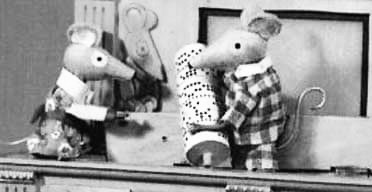
    It happened in slow motion. One minute, my MacBook was perched on the arm of the sofa my portal to the world,and work. Was chatting to my mate Gordon. The next thing,the computer and the conversation had landed on its head , a sickening crack breaking the silence as it landed screen-first. I stared at it, half-expecting it to pick itself up and assure me, “I’m fine.” But it wasn’t. The screen flickered, lines of digital distress running across it. Immediately propelled into we will fix it and the theme tune to bag-puss signing in my had.

    Professor Yaffle

    Frantically checking if I had AppleCare , and the panic settled it was then a rush to The Digital Emergency Room

    I booked the soonest appointment I could at the Apple Genius Bar, the equivalent of rushing a loved one to the ER. I carried my MacBook into the store like an injured pet, cradling it as if my gentle touch could somehow undo the damage.

    The technician took it from me, flipping it open with clinical detachment. He ran diagnostics, his face unreadable, while I sat there, waiting for a verdict. I realized then how much I depended on this machine not just as a tool, but as something far more personal. My MacBook held my work, my writing, my thoughts, my pictures ,my ideas. It was a quiet witness to my best moments and my deepest frustrations.

    One screen in stock

    “We’ll Have to Keep It for Repair” – Saying Goodbye

    When the technician told me they’d need to keep it for a few days to replace the screen, I felt an irrational pang of loss. Logically, I knew it was just a piece of technology, a device that could be fixed or replaced. But emotionally? It felt like leaving my child for surgery.

    I hesitated before handing it over,touching the aluminium surface one last time, it was a surreal moment – the unconscious attachment to a machine “it’ll be ok ,” I whispered to my self . The technician gave me a polite but amused smile, clearly used to customers who treated their devices with this level of attachment.

    The Digital Bond We Never Talk About

    As I walked out of the store, empty-handed, I felt a strange lightness but not the good kind. More like something was missing. I reached for my bag, half-expecting to find my MacBook there, and when I didn’t, a tiny wave of panic hit me. How had I become so dependent on a machine?

    Then again, this wasn’t just a machine. It was my creative hub, my connection to the world, my second brain. I had spilled thoughts onto its keyboard, mapped out ideas on its screen, built things from scratch within its memory. It wasn’t just a device it was an extension of me.

    The next wave of frantic survival

    Leaving voice notes to my work colleagues to arrange emails , phone numbers and things to allow me to continue with upcoming work .

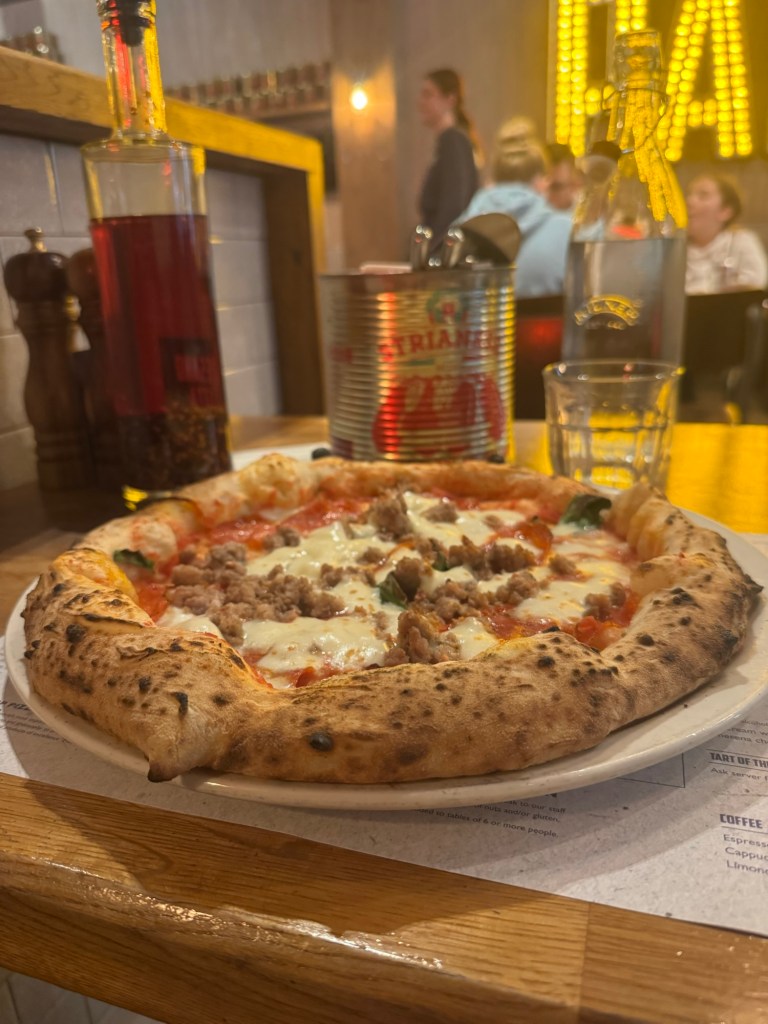
    Took myself in Paesano for a pizza to mourn and write down my pensive thoughts .

    Have you ever felt this way about your laptop, phone, or another device? The things we use every day become more than just tools they become part of our daily rhythm, part of us. Maybe it’s time to reflect on the attachments we form with technology and what that says about the way we live.

  • The Good Old Days: A Moving Target in Time

    Written by

    Rossko72

    We’ve all heard it our parents, grandparents, or maybe even ourselves muttering the phrase:

    “Back in the good old days…”

    For some, it’s a wistful recollection of a simpler time. For others, a roll of the eyes at selective nostalgia. And yet, the deeper truth is this ,the “good old days” are never a fixed point. They are always shifting, always shaped by the turbulence of the present and the glow of hindsight.

    Right now, we are living in what will one day be somebody’s “good old days”.

    The Changing Tide of Values and Culture

    It’s easy to look at the world today and feel like everything is unravelling—wars, division, economic instability, and a seemingly relentless erosion of traditional values. But is it truly worse? Or just different?

    Mary Whitehouse, the infamous campaigner against television “corrupting” British values, fought tooth and nail to keep kissing off TV before 10 PM. Today, that idea seems almost quaint. Every generation redefines its moral panic, convinced that society is on a downward spiral.

    Our grandparents worried about rock ‘n’ roll corrupting the youth.

    Our parents worried about video games and heavy metal.

    Today, we worry about social media, AI, and the metaverse shaping young minds. Energy drinks and vapes .

    And yet, life marches on. The world didn’t end. Values shift. What one generation sees as reckless, the next sees as progress.

    The Illusion of Stability

    Perhaps what makes the present feel so chaotic is that we are inside it living it, absorbing the uncertainty in real time. The past, on the other hand, feels safe. We already know how the story ended.

    There were no “good old days” free from struggle.

    Every era had its wars, its crises, its moral battles.

    The difference is that those struggles are now in the rearview mirror, softened by time, made nostalgic by memory.

    Even the hardest times—World War II, economic recessions, social upheavals—are now spoken of with a kind of reverence. Not because they weren’t difficult, but because those who endured them found meaning in the survival.

    We Are Becoming the Elders of Tomorrow

    It’s strange to think about, but one day, we will be the ones telling younger generations about our good old days.

    Maybe it’ll be about a time before AI dictated everything.

    Maybe it’ll be when people still valued face-to-face connection.

    Maybe it’ll be the wild, chaotic, unpredictable mess of the early 2020s.

    One day, today’s turbulence will be remembered not for its fear, but for its resilience.

    The world will change. It always does. But nostalgia teaches us that right now matters, because one day, someone will long for it.

    So maybe instead of mourning the past, we should embrace the present—because this, right now, is history in the making.

  • “You can’t pour from an empty cup.”

    Written by

    Rossko72

    From Selfish to Selfless: Reframing the Way We Give

    We’ve all heard this phrase, yet so many of us ignore its wisdom. We push through exhaustion, say yes when we should say no, and give until we’re running on fumes—all in the name of being a good partner, parent, friend, or leader. But what if we’ve got it all wrong?

    What if true giving isn’t about depleting ourselves, but about nourishing ourselves first?

    Selfish or Selfless? The Art of Giving from Abundance

    The word selfish carries a negative weight. It implies greed, a disregard for others, a hoarding of time, energy, and resources. But what if being “selfish” was the key to being more selfless?

    Let’s call it selfish—the act of replenishing ourselves so we can show up more powerfully for the people and things that matter most.

    Because when we are depleted: Our energy is scattered. Our patience wears thin. Our creativity and joy diminish. In the fellowship the 12 step process for addicts we have a saying H.A.L.T An acronym for Hungry, Angry, Lonely, Tired, it’s a tool used to remind people of four of the most common stressors in recovery. While they may seem obvious, these basic needs can be easy to overlook and lead to relapse if they’re not met

    We become resentful, not giving, but sacrificing—and sacrifice, when done too often, leads to burnout, not fulfilment.

    Nature’s Wisdom: The Cycle of Giving and Receiving

    Look at nature—it never forces constant output.

    Trees shed their leaves to conserve energy before blooming again.

    The tide ebbs before it flows.

    The sun rises, but it also sets.

    Everything in existence follows a rhythm of replenishment and release—why do we believe we should be any different?

    Giving from an empty cup isn’t noble. It’s unsustainable.

    Restoring ourselves isn’t indulgence. It’s responsibility.

    How to Fill Your Cup (Without Guilt)

    Instead of seeing self-care as selfish, recognize it as fuel for everything you want to give.

    Set Boundaries – Saying no to what drains you means saying yes to what fuels you.

     Prioritize Rest – Sleep, stillness, and solitude aren’t luxuries; they’re necessities.

    Move Your Body – Energy creates energy. Movement isn’t about appearance, but vitality.

    Connect with Joy – Whether it’s nature, laughter, or creativity, joy is non-negotiable.

    Practice Receiving – Allow others to pour into you—love, support, kindness. Giving is a two-way street.

    Give From Overflow, Not Deficit

    Imagine if, instead of burning out for others, you gave from a place of wholeness—a version of yourself that is energized, present, and abundant. That’s true generosity.

    Be selfish enough to fill your cup.

    Because when you do, everyone benefits.

  • The Age of Powerlessness:

    Written by

    Rossko72

    Why We Feel Lost and How We Try to Hide It

    There is a quiet heaviness in the air. A sense that something is off, that life is slipping through our fingers faster than we can grasp it. People feel powerless, over their futures, their bodies, their relationships, their place in the world. It’s like standing in a river where the current has picked up, pulling us downstream, and no matter how hard we try to fight it, the force is stronger than our mindset.

    But where is this powerlessness coming from? And more importantly, how are we trying (and failing) to escape it?

    Powerlessness is not just about external events it is a deep, spiritual unease, a feeling of being untethered from something greater. In the past, people found stability in community, in ritual, in a connection to nature. Now? We are more connected than ever but lonelier than we’ve ever been. We have more choices but feel more trapped. We have more distractions but less meaning.

     The Overwhelming Scale of the World . The problems of the world are beamed directly into our minds 24/7. Wars, climate disasters, economic collapse. It feels too big, too impossible to change, so we sink into helplessness.

     The Illusion of Control Through Technology We scroll, we refresh, we click, convinced we are “in control,” but really, we are being controlled by algorithms, by trends, by invisible hands pulling the strings of our desires.

    The Loss of Autonomy The modern world demands we fit into rigid systems jobs that drain us, economies that exploit us, relationships that feel transactional. The dream of “freedom” feels further away than ever.

    The Disconnection from the Sacred We have traded spiritual wisdom for productivity hacks, ancient rituals for self-help books, and nature for concrete. We have forgotten how to listen to nature , to ourselves, to the spaces in between.

    Rather than face this deep, gnawing sense of powerlessness, we distract, we numb, we build illusions of control. But these are not solutions; they are coping mechanisms, masks we wear to pretend we are not drowning.

     Over-Controlling Small Things When the big things feel out of control, we hyper-focus on the trivial. We obsess over routines, micromanage our diets, become addicted to self-optimization. But no matter how much we tweak the details, the deeper feeling remains.

    Numbing Through Substances & Stimulation – Drugs, alcohol, endless entertainment, the flickering light of our screens. We self-medicate with dopamine, filling the void with fleeting highs, only to crash harder when the silence returns.

    The Cult of Achievement We chase goals, climb ladders, measure our worth by numbers salary, likes, miles run, weight lifted. But no matter how much we “achieve,” the emptiness whispers, Is this it?

    Rather than admit our struggles, we curate an image of resilience. We post our self-improvement journeys, our spiritual awakenings, our “wins,” desperate to prove to others, to ourselves that we are in control. But the cracks always show.

    So, if the modern world is built to make us feel powerless, how do we reclaim our sense of agency? The answer is not in more control, more numbing, more distraction but in surrender. Not in the sense of giving up, but in remembering where real power comes from.

    Reconnect with Nature The trees are not worried about the future. The rivers do not resist their flow. The seasons do not cling to what has passed. Go outside. Remember that you are part of something vast and ancient.

    Find the Sacred in the Everyday Prayer, meditation, ritual whatever form speaks to you. Not as another self-improvement hack, but as a way to listen to the silence, to the wisdom that has been here long before us.

    Admit That You Feel Lost – Power does not come from pretending to be strong. It comes from honesty, from allowing yourself to be vulnerable, from realizing that in your softness, in your openness, you are not alone.

    Reconnect with People, Not Performance True connection is not found in curated social media posts or networking events. It is in sitting with someone, in real conversation, in shared laughter, in unspoken understanding.

    Accept That Some Things Are Beyond You The world is big, and we are small. Not everything is meant to be controlled. Not everything needs an answer. The ocean does not ask for permission to be vast; neither should you.

    You are not powerless because the world is difficult. You are not weak because you sometimes feel lost. Power does not come from grasping tighter it comes from loosening the grip, from remembering that you are already part of something greater than yourself. The river does not need to fight the current to reach the ocean. Neither do you.